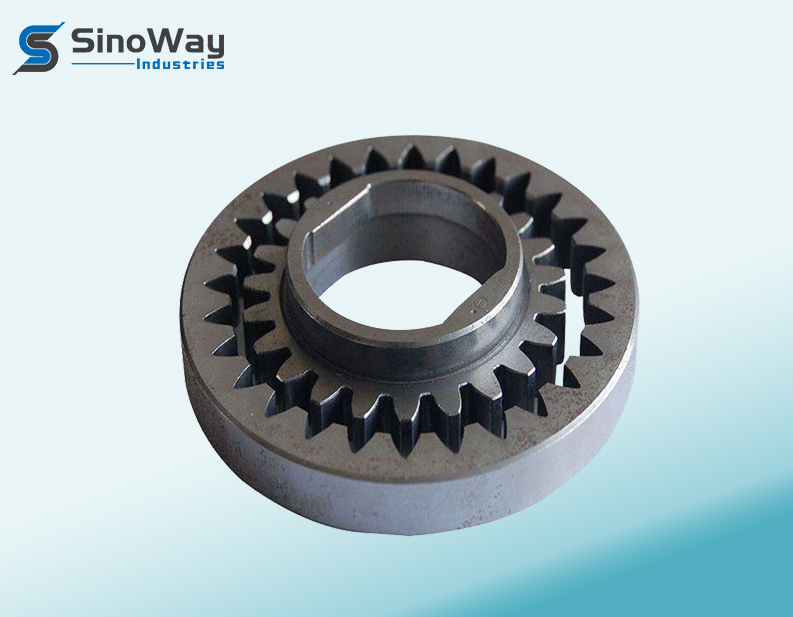
Sheet metal bending is a critical process in the manufacturing industry, allowing for the creation of various shapes and designs from flat sheets of metal. At Sinoway, a leading sheet metal manufacturer, we have perfected the art of bending sheet metal to create high-quality, perfectly shaped products. This article will delve into the techniques we use to achieve this precision and the benefits they offer.
Understanding Sheet Metal Bending
Sheet metal bending involves deforming a metal sheet to a desired angle or shape. This process is essential in various industries, including automotive, aerospace, construction, and electronics. The bending process can be accomplished through several methods, each suited to different applications and materials.
At Sinoway, we understand the importance of precision in sheet metal bending. Our experienced team employs various techniques to ensure that each product meets the highest standards of quality and accuracy. Below, we explore some of the most common sheet metal bending techniques used in our manufacturing processes.

Common Sheet Metal Bending Techniques
1. Air Bending
Air bending is one of the most widely used techniques in sheet metal fabrication. In this method, the metal sheet is placed over a die, and a punch is used to press the sheet into the die, creating a bend. The depth of the punch determines the angle of the bend, allowing for flexibility in creating different angles.
Air bending is advantageous because it requires less force than other bending methods, reducing the risk of damage to the material. Additionally, it allows for quick and easy adjustments to the bend angle, making it ideal for prototypes and small production runs.
2. Bottom Bending
Bottom bending, also known as bottoming, involves pressing the metal sheet into the die until it fully conforms to the shape of the die. This method provides greater accuracy and consistency in the bend angle compared to air bending, making it suitable for high-volume production runs.
While bottom bending requires more force, it results in a more precise bend with less springback. This technique is ideal for applications where tight tolerances are essential, such as in the aerospace and automotive industries.
3. Coining
Coining is a high-precision bending technique that involves pressing the metal sheet between a punch and die with enough force to create a permanent deformation. This method provides the highest level of accuracy and repeatability, making it ideal for applications requiring exact specifications.
At Sinoway, we use coining for products that demand the highest precision, such as components for medical devices and high-tech electronics. The coining process ensures minimal springback and consistent bend angles, resulting in perfectly shaped products.
4. Roll Bending
Roll bending is a technique used to create large-radius bends in sheet metal. In this method, the metal sheet is passed through a series of rollers that gradually bend the sheet to the desired curvature. Roll bending is ideal for creating cylindrical shapes, such as pipes and tubes.
This technique is particularly useful for applications in the construction and transportation industries, where large, curved components are required. At Sinoway, we use advanced roll bending equipment to ensure precise and consistent results for our customers.
5. V-Bending
V-bending is a common technique used to create simple bends in sheet metal. In this method, the metal sheet is placed over a V-shaped die, and a punch is used to press the sheet into the die, creating a bend. The angle of the V-die determines the angle of the bend.
V-bending is a versatile technique that can be used for a wide range of applications, from simple brackets to complex enclosures. At Sinoway, we use V-bending for both prototyping and production runs, ensuring that each product meets our strict quality standards.
Factors Affecting Sheet Metal Bending
Several factors influence the outcome of the sheet metal bending process, including material properties, bend radius, and tooling. Understanding these factors is essential for achieving precise and consistent results. At Sinoway, we consider the following factors when selecting the appropriate bending technique for each project:
- Material Properties: Different metals have varying levels of ductility, hardness, and thickness, which affect their bendability. For example, aluminum is more ductile than steel, making it easier to bend. Understanding the material properties helps us select the appropriate bending technique and tooling.
- Bend Radius: The bend radius is the distance from the center of the bend to the inner surface of the metal sheet. A smaller bend radius requires more force and can increase the risk of cracking or deformation. We carefully calculate the bend radius to ensure the integrity of the material.
- Tooling: The selection of the punch and die is crucial for achieving the desired bend angle and precision. We use high-quality tooling to ensure consistent results and minimize wear and tear on the equipment.
- Springback: Springback is the tendency of the metal to return to its original shape after bending. This phenomenon can affect the accuracy of the bend angle. We account for springback in our calculations to achieve the desired bend angle.
Benefits of Precision Sheet Metal Bending
Precision sheet metal bending offers several benefits, making it an essential process in modern manufacturing. At Sinoway, we leverage these benefits to deliver high-quality products to our customers:
- Improved Product Quality: Precision bending ensures that each product meets exact specifications, resulting in higher quality and performance. This is especially important in industries where tight tolerances are critical.
- Cost-Effective Production: Accurate bending reduces material waste and minimizes the need for secondary operations, such as welding or machining. This leads to cost savings for our customers.
- Increased Efficiency: Advanced bending techniques allow for faster production times and higher throughput. This enables us to meet tight deadlines and deliver products on time.
- Versatility: Precision bending techniques can be used for a wide range of applications, from simple brackets to complex enclosures. This versatility allows us to serve customers in various industries.
Conclusion
At Sinoway, we are committed to delivering high-quality, perfectly shaped sheet metal products to our customers. Our expertise in precision sheet metal bending, combined with advanced equipment and techniques, ensures that each product meets the highest standards of quality and accuracy.
By understanding the various bending techniques and factors that influence the bending process, we can select the most appropriate method for each project. This allows us to deliver products that meet exact specifications and exceed customer expectations.
Whether you need prototypes, small production runs, or high-volume manufacturing, Sinoway has the expertise and capabilities to meet your needs. Contact us today to learn more about our sheet metal bending services and how we can help you achieve perfectly shaped products.